Deep Atlas MLI Cohort 21: Compressing 6 Months of AI/ML into One Week
I attended Deep Atlas's immersive ML bootcamp in SF with a crew of Slack engineers, gave a lightning talk on my AI workflow, and walked away with a much stronger foundation in ML, from linear algebra all the way to LLM agents.

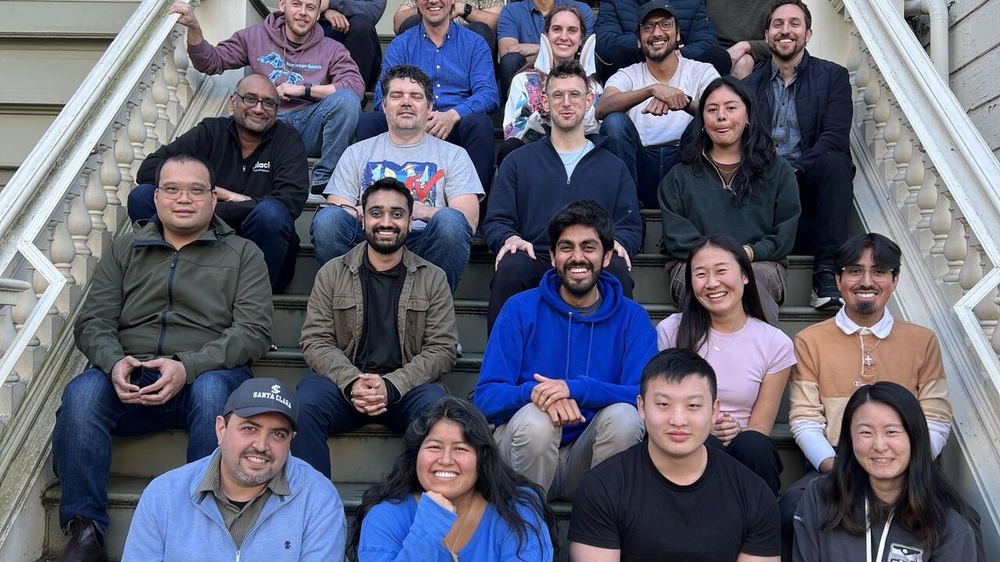
Table of Contents
- Overview
- Why I Did This
- What is Deep Atlas?
- My Lightning Talk
- Key Takeaways
- Shoutouts I Received
- Certificate
- Would I Recommend It?
Overview
Program: Deep Atlas Machine Learning Intensive (MLI) Cohort: #21 Dates: February 28 – March 5, 2026 Location: San Francisco, CA Cohort size: ~25 participants, including 12 of us from Slack 👀
Why I Did This
As a senior software engineer who's spent the last several years building product features in TypeScript and React, I've been increasingly surrounded by AI tooling without always understanding what's happening under the hood. I use Claude Code daily, I integrate LLMs into workflows, I talk about RAG and embeddings, but I wanted to actually understand the math and the mechanics, not just the API surface.
When I came across Deep Atlas, something clicked. One week. Full-time. SF. Cohort-based. Curriculum going from linear algebra all the way through LLM agents. That felt exactly like the focused, high-intensity experience I needed to level up.
And, maybe more importantly, I thought a few of my Slack colleagues would benefit just as much. So I rallied the troops.
What is Deep Atlas?
Deep Atlas is an intensive AI/ML bootcamp that compresses roughly 6 months of learning into one week. Their immersive format runs Monday–Friday (9am–6:30pm) in San Francisco, with a cohort of ~25 engineers learning together.
The curriculum spans:
- Math foundations: linear algebra, calculus, statistics
- Classical ML: regression, classification, clustering
- Deep learning: neural networks, backprop, optimization
- Pretrained models: transfer learning, fine-tuning
- Modern AI engineering: RAG pipelines, agents, LLM evaluations
The through-line for me was finally connecting the dots on how LLMs actually work under the hood: transformer architecture, working through the "Attention Is All You Need" paper, RAG, agent orchestration, and MCP servers. I'd been using all of these concepts for months without fully understanding the mechanics beneath the API surface.
It's selective: you apply and interview before being accepted. 250+ alumni from the program work at companies like Google, Meta, and Stripe.
My Lightning Talk
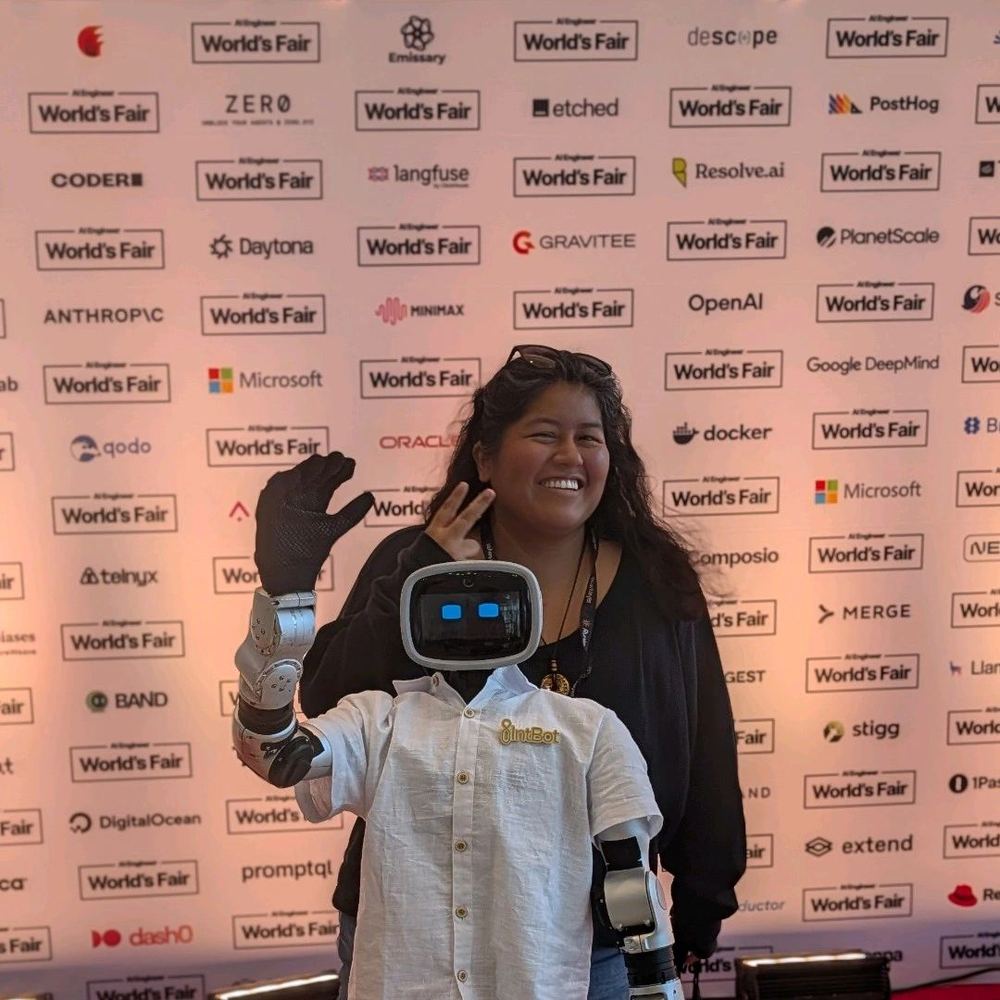
On Day 1, I gave a lightning talk to the cohort about how I use AI in my day-to-day work as a senior engineer at Slack. I demoed Herd, my app for visualizing agent orchestration: you can watch each ticket flow through a pipeline from backlog to merged PR, with the agent doing the coding work and a human staying in the loop at every checkpoint.
The response was genuinely overwhelming. Multiple people came up to me afterward and during the week to say it changed how they thought about integrating AI into their own work. A few shoutouts called it out directly (see below 👇).
Key Takeaways
-
The math isn't as scary as it looks. Having Joe walk through gradient descent and backprop in a real classroom setting (where I could ask "dumb" questions without fear) made concepts click that I'd glossed over in blog posts for years.
-
Cohort energy is a forcing function. Working through projects alongside ~24 other engineers, some from companies I admire, pushed me harder than any self-paced course ever has.
-
Claude Code is genuinely useful in an ML context. My setup (including the Herd visualization) got multiple shoutouts from cohort-mates.
-
Bringing colleagues makes it better. Having a Slack crew in the room meant we could immediately talk about how to apply what we were learning to our actual work. That translation layer is huge.
-
ML engineering and applying ML to product engineering are genuinely different disciplines. I'd been conflating them for years. Understanding where they diverge (and how both connect to the agentic way of working with tools like Claude Code) was the single biggest unlock of the week. It's also what gave me the confidence to move from product engineering into DevXP. 🎉
Shoutouts I Received
At the end of the week, the cohort filled out a peer shoutout form. Here's what people said about me 🥹:
"Frances is the reason myself and many other Slack folks are in this room in the first place! Without her we wouldn't even be here!!"
"For rallying Slack folks to join this cohort and helping us all learn new things!"
"Amazing and inspiring Lightning Talk you gave to the class on the first day. It was great to see how you use AI in your day-to-day at Slack."
"Thanks for sharing your AI workflows and tooling with us. It's inspiring to see what can be done!"
"Sharing her personal workflow" (received three separate times) 😊
"Claude Code setup was simple and super effective."
"For volunteering for lightning talks. Brave. Educational. Icons." (shared with Jamieson)
"Recommending restaurants to try out and letting me hitch my first ride ever on a Waymo." 🚗
And a special shoutout to Slack as a whole:
"For contributing half the cohort! 🙂"
Certificate
I completed 95 hours of coursework in Agentic AI Systems, Machine Learning & AI from February 28 – March 4, 2026.
Would I Recommend It?
Yes, with enthusiasm. Deep Atlas is the real deal. Joseph Martin is one of the best instructors I've encountered: endlessly patient, genuinely passionate, and able to hold a room of engineers with varying backgrounds without losing anyone.
If you're a software engineer who wants to go from "I use LLMs" to "I understand what's actually happening inside them," this is the fastest, most human way to get there that I've found.
The immersive format is not for everyone. It's 9am–6:30pm for five days straight with a lot of material. But the cohort energy, the peer connections, and the compression of learning are genuinely worth it.
I was able to get the program fully expensed through my education budget. Worth checking if your employer offers something similar.
They run in-person cohorts in San Francisco and New York, plus a remote option. Check deepatlas.ai for upcoming dates.
Organizations 🏢
 Slack
Slack